
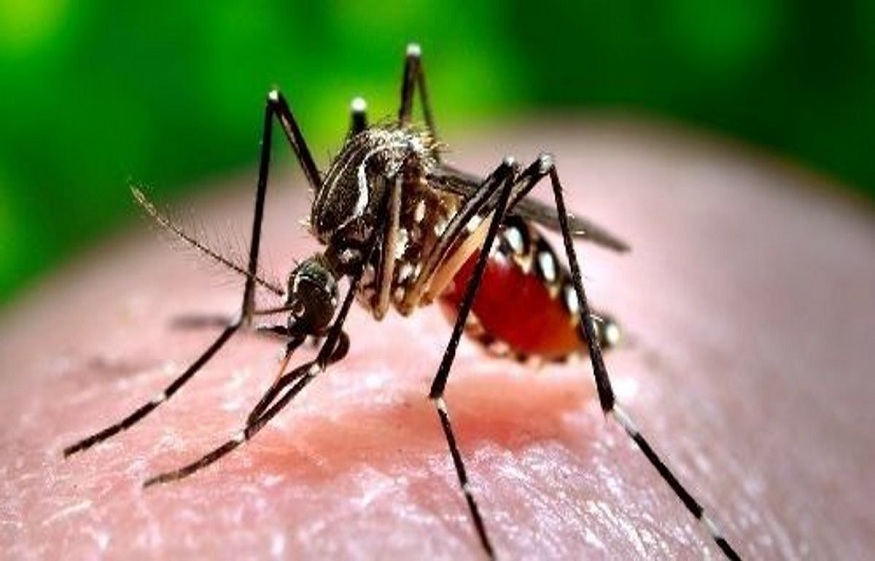

Manchester’s reputation for rainy days hides a much itchier problem: persistent mosquito infestations that seem to defy the usual solutions. While most cities face their fair share of these biting pests, Manchester’s unique blend of climate, urban growth, and water management issues means mosquitoes have found a year-round playground.
Why Manchester’s Mosquito Problem is Unique
What makes Manchester a mosquito hub is not just the puddles after every downpour. It begins with the city’s mild, humid climate. Unlike colder regions where mosquitoes die off in winter, Manchester’s relatively warm spells allow some species to overwinter in protected spaces, ensuring populations rebound quickly once spring hits.
Urban sprawl brings another layer of risk. Construction sites, garden water features, and poorly maintained drains all collect stagnant water, creating perfect breeding grounds in the very heart of the city. Tack on the challenges of aging infrastructure, and you have residential neighborhoods where water lingers long after the rain stops.
Beyond the annoyance, this creates a real public health concern. Persistent mosquito activity raises the risk of vector-borne diseases, including West Nile virus and other illnesses that can impact vulnerable community members. For families enjoying time outdoors or workers in green spaces, mosquito bites are more than a summer inconvenience.
Case Study: The Rise of Mosquito Activity in Manchester Neighborhoods
Recent years have seen local authorities receive an uptick in community reports about buzzing clouds near playgrounds and waterlogged lots. Residents point to certain “hotspots” where the problem is especially severe, often correlating with blocked gutters, neglected ponds, or construction debris.
Seasonal patterns only compound the challenge. Mosquito numbers spike during late spring and summer, but mild autumns can prolong the season, catching many homeowners off guard. Unfortunately, quick fixes like over-the-counter sprays or foggers do little in the face of such persistent breeding sites.
When control measures fail, the consequences ripple out: increased complaints to local councils, rising demand for professional pest control, and a growing sense of frustration among residents who just want to enjoy their gardens in peace.
Innovative Mosquito Control Methods That Changed the Game
As old strategies falter, Manchester has begun to see the benefits of new, science-backed tactics. Biological control, introducing natural predators like certain fish or insects into ponds and drainage channels, has reduced larvae without harming the environment. Targeted larvicide applications, especially in places like storm drains and temporary pools, hit mosquitoes at their most vulnerable stage before they can bite.
Smart technology is making a difference, too. Some Manchester neighborhoods have piloted sensor networks that monitor humidity, standing water, and mosquito activity. This real-time data allows pest control teams to act quickly, focusing resources where they matter most.
How a Local Manchester Community Took Control
One neighborhood, tired of the annual mosquito invasion, decided to take matters into their own hands. Residents organized cleanup campaigns, removing rubbish and trimming overgrown vegetation that could hide water pools. They partnered with local authorities and pest control experts to map breeding hotspots and coordinate larvicide treatments.
The results were striking. Over the course of two summers, community reports of mosquito swarms dropped by more than half. Not only did families reclaim their outdoor spaces, but the success spurred nearby neighborhoods to launch similar efforts.
The Overlooked Secret: Strategic Habitat Modification
While high-tech solutions grab headlines, the most effective weapon in the fight against mosquitoes remains surprisingly simple: habitat modification. Eliminating breeding grounds before the season starts breaks the mosquito life cycle. This means draining unused containers, fixing leaky outdoor faucets, and even making small landscaping tweaks to ensure water flows away from your home.
Adjusting garden layouts, like using gravel instead of mulch in shady spots, can make a big difference. Pathways and patios that don’t collect puddles remove potential nurseries for larvae. Homeowners who educate themselves and neighbors about these small changes often see dramatic results, reducing their need for chemical treatments.
Expert Insights: What Pest Control Professionals Recommend for Manchester
True success in Manchester mosquito control comes from a tailored approach. Professionals stress the importance of customized plans, taking into account neighborhood layouts, seasonal trends, and even the specific mosquito species most active in the area.
Continuous monitoring is vital. Regular inspections can spot new breeding sites early, preventing minor issues from exploding into full-blown infestations. Experts also advocate for a balance of chemical and non-chemical strategies: strategic pesticide use, combined with biological controls and public education, accomplish far more than short-term fixes.
Future Trends in Mosquito Control for Manchester
Looking forward, genetic control technologies are appearing on the horizon. Researchers are testing ways to release mosquitoes modified to reduce overall populations or resistance to disease. Community-driven data collection, powered by apps and AI analysis, promises to make monitoring and response even faster. As climate change threatens to extend mosquito seasons, these innovations will become crucial for Manchester’s public health.
Taking Action: Practical Steps for Residents to Fight Mosquitoes Effectively
You don’t need to wait for city-wide programs to protect your home. Start by clearing gutters, emptying birdbaths weekly, and ensuring window screens are intact. Trim vegetation that traps moisture, and avoid leaving pet bowls or toys outside during rainy weeks. If persistent swarms return despite your best efforts, that’s when professional help makes sense, especially to assess hidden sources and apply more powerful controls.
Finally, lasting mosquito control demands a community mindset. Neighborhood cleanups, sharing tips, and staying alert to new trouble spots will do more than any single product or spray. Manchester’s secret isn’t just found in technology or treatments; it’s in the collective commitment to outsmart the pests before they strike.