
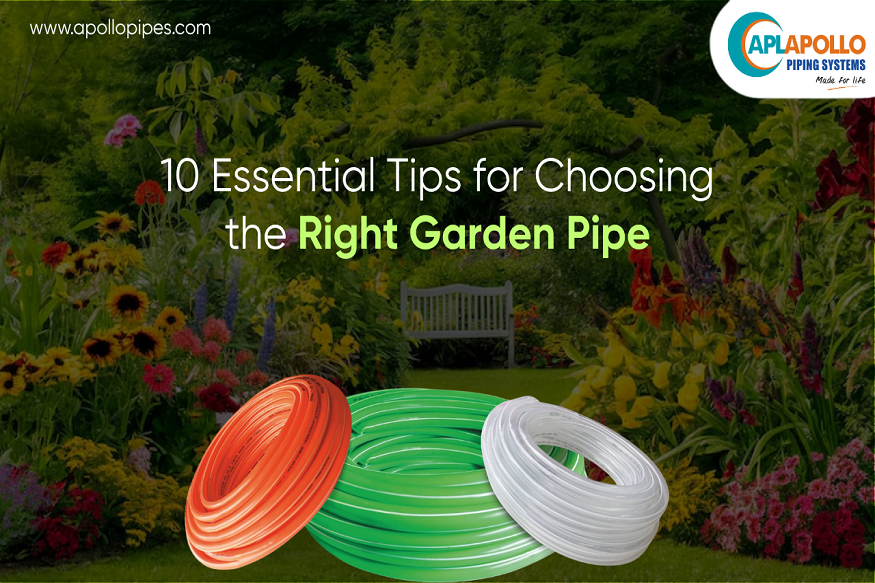

A suitable garden pipe can make watering plants, cleaning outdoor spaces, and maintaining a lawn much easier. The right choice depends on more than just price. Length, diameter, flexibility, material quality, durability, fittings, and storage all affect how comfortably and effectively a pipe performs. Choosing the right garden pipes for your needs can also help avoid problems such as restricted water flow, frequent kinking, difficult handling, and premature wear.
1. Determine How You Will Use the Pipe
Start by identifying the main purpose. A garden pipe may be used for watering plants, lawns, flower beds, trees, or vegetable gardens. It may also be needed for car washing, outdoor cleaning, or other household tasks. Understanding the application helps you select a pipe with suitable flexibility, size, and handling characteristics.
2. Choose the Right Length
Measure the distance between the water source and the farthest area you need to reach. A pipe that is too short can be inconvenient, while excessive length can make carrying, coiling, and storage more difficult. Choose enough pipe length to cover your watering area without creating unnecessary loops.
3. Consider Pipe Diameter and Water Flow
Pipe diameter affects how water moves through the pipe. The right size depends on your tap, available water pressure, required flow, and intended application. Before buying a garden watering pipe, check the outlet and accessories you plan to use. A suitable diameter can help ensure the water flow meets your practical requirements.
4. Look for Flexibility
A flexible garden pipe is easier to move around plants, corners, pathways, and other obstacles. Flexibility is particularly useful for larger gardens where the pipe needs to be repositioned frequently. However, flexibility should be balanced with adequate material strength so that the pipe remains practical for regular outdoor use.
5. Check Material Quality and Durability
The material has a direct effect on how a pipe handles everyday use. Look for a durable garden pipe designed for its intended application and environment. Check the product information for details about construction, resistance properties, and other manufacturer-stated characteristics rather than judging quality from appearance alone.
6. Consider Weather and Outdoor Conditions
Garden pipes are regularly exposed to outdoor conditions such as sunlight, changing temperatures, moisture, dust, and rough surfaces. If the pipe will remain outdoors for extended periods, consider whether the manufacturer’s specifications address the conditions in your area. Proper use and storage can also help reduce unnecessary wear.
7. Check Connector Compatibility
Your garden pipe should work with the tap, nozzle, sprinkler, spray gun, or other accessories you intend to use. Before purchasing, check the connection size and fitting requirements. Good compatibility helps prevent loose connections, water leakage, and repeated adjustments during outdoor watering.
8. Think About Storage and Kinking
Storage is often overlooked when buying a water pipe for garden use. A pipe that is difficult to coil can become tangled and occupy unnecessary space. Choose a design that is easy to handle and store. After use, drain the pipe and coil it without sharp bends or excessive twisting to keep it ready for the next use.
9. Consider Maintenance and Longevity
A garden pipe needs simple but consistent care. Rinse it when necessary, avoid dragging it over sharp edges, and inspect it periodically for cracks, leaks, or damaged connections. When comparing products, consider the manufacturer’s stated durability and resistance characteristics as well as how easy the pipe is to handle and maintain.
10. Evaluate Overall Value and Product Quality
Price should be considered alongside construction, usability, specifications, available sizes, and manufacturer information. A lower-priced product may not suit your application, while a more expensive option may include characteristics you do not need. Compare products based on your actual watering requirements and the information provided by the manufacturer.
What Should You Look for When Buying a Garden Pipe?
When buying garden pipes, focus on intended use, pipe length, diameter, flexibility, material quality, outdoor resistance, connector compatibility, storage, maintenance, and manufacturer information. The best choice is one that matches your water source and application while remaining convenient to handle, store, and maintain.
For example, a small home garden may require a manageable and flexible pipe, while a larger outdoor area may require greater length and a suitable diameter for the available water flow. Always check product specifications before making a purchase.
APL Apollo Garden Pipes
APL Apollo Garden Pipes are designed as flexible and lightweight options for gardening, landscaping, car washing, and household cleaning. According to the official product page, they are made in India using eco-friendly, heavy metal-free materials and feature corrosion resistance, a smooth internal surface for efficient water flow, and flexibility for easy handling and coiling. The pipes are available in green, orange, and transparent colours and in four sizes: 1/2″, 3/4″, 1″, and 1 1/4″. APL Apollo also lists clean surface, no leakage, and flexible, easy-to-coil construction among the product characteristics. These specifications make the range relevant for buyers comparing garden pipes based on flexibility, water flow, handling, size options, and everyday outdoor applications.
Frequently Asked Questions About Garden Pipes
l What is a garden pipe used for?
Garden pipes are commonly used for watering plants, lawns, trees, shrubs, and other green areas. Depending on the product, they can also be used for activities such as car washing and household cleaning.
l What size garden pipe should I choose?
The appropriate size depends on your water source, required water flow, application, and compatible fittings. Check the tap or outlet size and the manufacturer’s available diameter options before selecting a garden pipe.
l How do I choose a durable garden pipe?
Look for clear information about material, construction, flexibility, and resistance properties. A durable pipe should also be suitable for the conditions in which it will be used and stored.
l How can I prevent my garden pipe from kinking?
Avoid sharp bends and twisting while using the pipe. After watering, drain it and coil it carefully. Keeping the pipe properly stored can also reduce tangling and unnecessary stress on the material.
l How should I store a garden pipe?
Drain the pipe after use, coil it without tight bends, and keep it in an appropriate storage area. Avoid leaving it unnecessarily exposed to conditions that may accelerate wear.