

Anytime you finish a renovation—whether it’s a brand-new kitchen, a refreshed bathroom, or a full home makeover—you’re left with one universal challenge: the mess. Dust settles into places you didn’t even touch, fine debris hides behind furniture, and every surface seems to have a thin film of construction residue. Post-renovation cleaning in Dublin has become a crucial step for homeowners who want to enjoy their upgraded spaces without worrying about lingering grime or poor indoor air quality. Renovation dust is sneaky; it clings to walls, buries itself in fabrics, and lingers in the air long after the builders pack up.
Post-Renovation Cleaning in Dublin Tip 1: Remove Large Debris & Seal Off Areas
After any renovation, the very first thing that makes a massive difference is getting rid of the big stuff—think chunks of plaster, leftover wood pieces, packaging, nails, and all the random bits builders tend to leave behind. Clearing out this debris gives you room to actually clean properly and prevents dust from being kicked back into the air while you work. It also helps you avoid accidents, because stepping on sharp or uneven objects is the last thing you want after weeks of construction chaos. Once the space is cleared, everything instantly feels less overwhelming, and you can finally start seeing what needs deeper cleaning.
The next essential step is to seal off areas that weren’t affected by the renovation. Construction dust doesn’t care about boundaries—it drifts through hallways, sneaks under doors, and settles on furniture in rooms you never touched. Using plastic sheeting, painter’s tape, or even temporary door barriers can help stop this dust from spreading further. This saves you from doubling your workload later and keeps the rest of your home feeling livable. Happy Clean often says that a controlled environment is the secret to an efficient and healthier post-renovation clean, and honestly, they’re right. A little prep goes a long way.
2.1 Why Debris Removal Matters in Dublin?
Debris removal might seem like the obvious first step, but many people underestimate just how much it affects the entire post-renovation cleaning process. When large materials and waste are left lying around, they trap dust underneath and make it harder to clean surfaces properly. Even worse, debris can continue to break apart and create more dirt while you’re trying to tidy up. Getting everything out in one go clears your line of sight and helps you spot areas that need extra attention—like corners where fine plaster dust tends to hide or spots where adhesive may have dripped.
There’s also a safety angle you can’t ignore. Renovation leftovers can include sharp screws, shattered fragments, and splintered wood, all of which can easily cause injuries if you’re moving around quickly. By removing these items early, you create a safe environment and reduce the chances of any mishaps. Plus, once the bulky stuff is gone, the actual cleaning becomes faster, smoother, and way less frustrating. It’s the kind of simple step that gives you momentum and sets you up for a much more effective cleaning session.
Post-Renovation Cleaning in Dublin Tip 2: Use the Right Cleaning Tools & Protective Gear
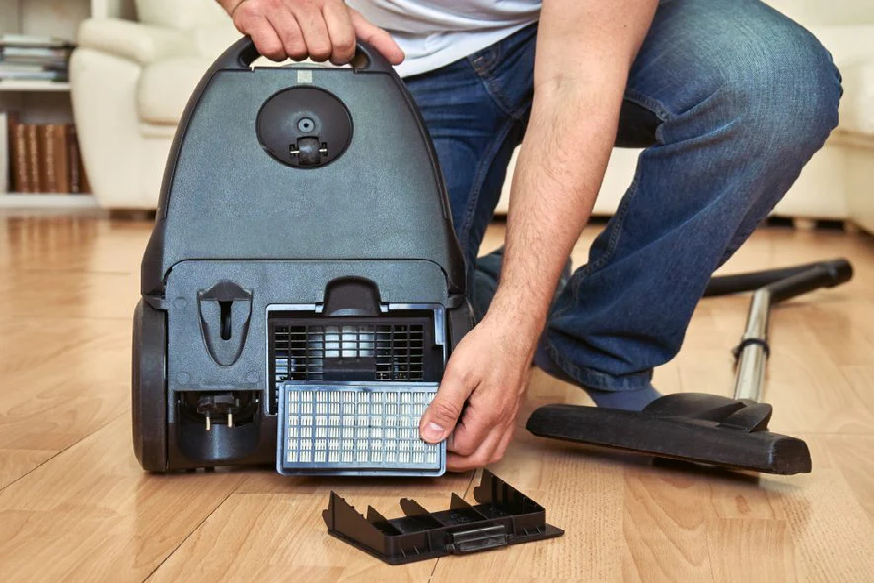
Post-renovation cleaning isn’t your average tidy-up. The dust left behind after construction is extra fine, heavy, and stubborn, and if you try to clean it with regular household tools, you’ll just end up pushing it around. Using the right equipment not only saves you time but also protects your health. A high-quality HEPA vacuum is the superstar of this stage because it traps tiny particles that ordinary vacuums spit right back into the air. Microfiber cloths are another must-have—they grab dust instead of smearing it. For floors, a damp mop works wonders, but avoid soaking surfaces since excess water can turn dust into a paste that’s even harder to remove.
Safety gear is just as crucial as your cleaning tools. Renovation dust often contains silica, wood particles, and even traces of paint or adhesive, and breathing that in can be harmful. A good dust mask or respirator helps keep your lungs protected while you clean. Gloves protect your hands from harsh cleaning agents, and goggles stop debris from irritating your eyes. Happy Clean Dublin always recommends gearing up before you get started because a clean home shouldn’t come at the cost of your health. With the proper tools and protection, the whole process becomes smoother, safer, and far more effective.
Post-Renovation Cleaning Tip 3: Clean from Top to Bottom
One golden rule in post-renovation cleaning—one that Happy Clean swears by—is always working from the highest surface down to the floor. Renovation dust behaves like glitter: once it starts falling, it gets everywhere. If you begin with the floors or lower surfaces, you’ll end up re-cleaning them repeatedly because dust from ceilings, shelves, and upper walls will keep settling back down. Cleaning from top to bottom creates a natural flow. You clear the upper layers first, then work your way down, so each step gets you closer to a dust-free finish instead of undoing your hard work.
Start with ceilings, corners, and overhead light fixtures. These areas often hold onto cobwebs and fine dust clouds you can’t see until you disturb them. Then, move to walls, shelves, windowsills, and door frames—renovation particles love to stick to vertical surfaces, especially textured paint or wood. Once those are spotless, you can save floors for last, which makes the final result feel fresh and complete. This method isn’t just logical; it reduces time, saves energy, and prevents “double work,” which is something every homeowner appreciates after living through a renovation. When you follow a top-to-bottom flow, your home gets cleaner faster, and the results are far more satisfying.
Expert Post-Renovation Cleaning in Dublin Tip 4: Pay Attention to Kitchens & Bathrooms
Kitchens and bathrooms always need extra love after renovations because they collect dust in the smallest, most awkward spots. These rooms have more fixtures, tiles, grout lines, and surfaces that attract stubborn debris, and since they’re high-use areas, you want them spotless before you start cooking or showering again. Renovation dust can settle inside drawers, behind taps, and even inside light switches. Plus, adhesive residue from new fittings or silicone from fresh installations can leave sticky patches that trap even more grime. Giving these spaces a detailed clean ensures they’re not only sparkling but also hygienic.
In the kitchen, make sure to clean inside cabinets, wipe down appliances, scrub backsplash tiles, and remove dust from ventilation hoods. Bathrooms need the same level of detail—especially around sinks, shower frames, glass screens, and any newly grouted tiles. Fine dust sticks to moisture, so bathrooms can end up with a thin, chalky film if they’re not cleaned immediately after renovation work. Happy Clean Dublin often points out that these rooms benefit most from a slow, careful approach instead of a quick wipe-down. Once they’re thoroughly cleaned, they quickly become the shining highlights of your refreshed home.
Expert Post-Renovation Cleaning Tip 5: Don’t Skip the Hidden Spots
Some of the toughest post-renovation mess hides in places you don’t normally think about—behind appliances, under furniture, inside vents, along skirting boards, and tucked into tiny gaps around window frames. These “forgotten zones” can hold onto a surprising amount of dust and debris, and if you ignore them, that dust will eventually spread back into your freshly cleaned areas. Renovation particles are incredibly fine, so they drift easily and settle in layers. Cleaning only the visible surfaces might make your home look clean at first, but within a few days, you’ll notice dust returning faster than usual. That’s why giving attention to those hidden corners makes such a big difference.
Another thing homeowners often miss is the importance of a follow-up clean. Even if you scrub everything thoroughly on day one, renovation dust continues to settle for days after the work is done. A second round of cleaning—usually within 48 to 72 hours—helps you catch what was floating in the air and finally brings your space to that fully refreshed, dust-free finish. Happy Clean mentions this step often because most people underestimate just how persistent post-renovation dust can be. Tackling the hidden spots and doing a follow-up clean ensures your home stays cleaner for longer and feels genuinely restored after the renovation chaos.
Expert Post-Renovation in Dublin Tip 6: Consider Professional Help in Dublin. Recommend – Happy Clean
Even though many homeowners love the idea of handling their own post-renovation cleaning, there are times when calling in professionals is genuinely the smarter, faster, and safer choice. Renovation dust can be extremely fine—so fine that it slips past regular vacuums, hides inside vents, and settles deep into carpets or upholstery. When the mess feels overwhelming, or you’re dealing with sensitive surfaces like new hardwood floors, polished stone, or freshly installed fixtures, professional cleaners know exactly how to treat them without causing damage. They bring industrial-grade equipment, HEPA-filtered vacuums, and specialised cleaning solutions designed specifically for post-construction environments.
Hiring experts also saves you hours of work, especially if you’re already exhausted from the renovation process itself. Instead of spending days scrubbing, dusting, and re-cleaning, a trained team can refresh your entire home in a fraction of the time. Happy Clean Dublin, for example, focuses on meticulous detail—hidden corners, vents, skirting boards, inside cabinets, behind appliances—places most people simply overlook or don’t have the tools to reach properly. Professionals also know how to clean safely, preventing dust from becoming airborne again and protecting your home’s new finishes. When the job feels too big or you want flawless results, calling in a trusted cleaning service is the best way to enjoy your newly renovated home faster and stress-free.
CONCLUSION
Wrapping up a renovation feels amazing, but the post-renovation cleaning that follows can make or break how quickly you get to enjoy your upgraded space. Dust, debris, and leftover construction materials can turn your newly improved home into a messy maze unless you approach the cleanup with a solid plan. By removing large debris early, sealing off untouched rooms, using the right tools, and following a top-to-bottom cleaning flow, you make the entire process smoother and far more effective. Kitchens and bathrooms deserve extra care, hidden spots should never be skipped, and a follow-up clean helps catch everything that settles afterwards.
Happy Clean Dublin’s tips remind us that cleaning after a renovation isn’t just about appearance—it’s about creating a healthy, fresh, comfortable space you can truly relax in. Whether you’re tackling the job yourself or calling in professionals, taking these thoughtful steps ensures your home feels brand new in every way. With the right approach, post-renovation cleaning becomes less of a chore and more of a satisfying final step in bringing your home transformation to life.